A nanoemulsion version of Vitamin D3 improves language, social IQ, and motor skills in children with autism—but safety and scale remain key hurdles.
By Health & Science Desk | July 10, 2025
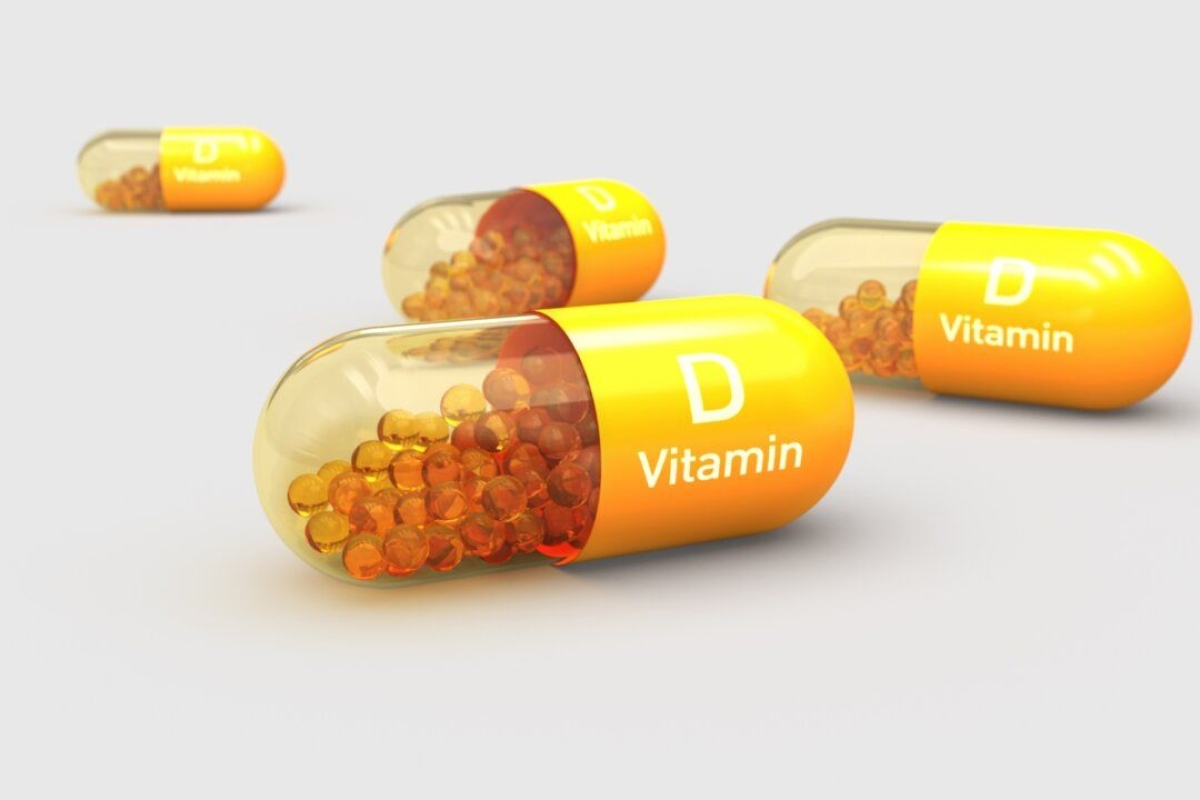
A newly published clinical trial from Egypt has ignited global interest in a nanoemulsion form of Vitamin D3, after researchers found it significantly improved symptoms in young children with autism spectrum disorder (ASD). While early results are promising, experts caution that the formulation’s complexity, cost, and potential health risks mean it’s not ready for widespread use just yet.
Why Vitamin D Matters in Autism
Autism spectrum disorder affects communication, behavior, and social interaction, and has been linked to low vitamin D levels, especially in early development.
A landmark Danish cohort study of over 71,000 newborns found strong associations between neonatal vitamin D deficiency and increased risks of autism, ADHD, and schizophrenia. Vitamin D’s critical roles in brain development—ranging from inflammation control to serotonin regulation—have made it a growing area of interest for autism research.
What Is Nanoemulsion Vitamin D3—and How Is It Different?
Unlike standard supplements, nanoemulsion Vitamin D3 is designed to bypass common absorption issues in children with autism by delivering vitamin D3 in microscopic, fat-soluble droplets suspended in liquid.
In the Egyptian study, 80 children with ASD (ages 3–6) were split into two groups. One received nanoemulsion D3, and the other a standard supplement. Over six months, only the nanoemulsion group showed significant gains in:
Researchers believe the increased bioavailability helped address neurological symptoms more effectively.
“The nanoemulsion improved both adaptive behavior and language abilities, not just vitamin D levels,” researchers wrote in the June 2025 issue of LabMed Discovery.
The Catch: High Promise, High Complexity
Despite the results, experts urge caution. Here’s why:
“We’re optimistic, but this is still very early-stage,” said a pediatric neurologist unaffiliated with the study.
What Parents Should Know
For families considering vitamin D as part of autism care:
Stick to pediatric doses: Standard vitamin D dosing (400–1,000 IU/day) remains safe and may help with mood and behavior.
What’s Next for Nanoemulsion D3?
This promising trial lays the groundwork for:
If replicated at scale, nanoemulsion vitamin D3 could become a key adjunct therapy in managing autism symptoms—but experts say that’s likely still years away.